Food-Safe Desiccant Solution for Food and Nutraceutical Packaging
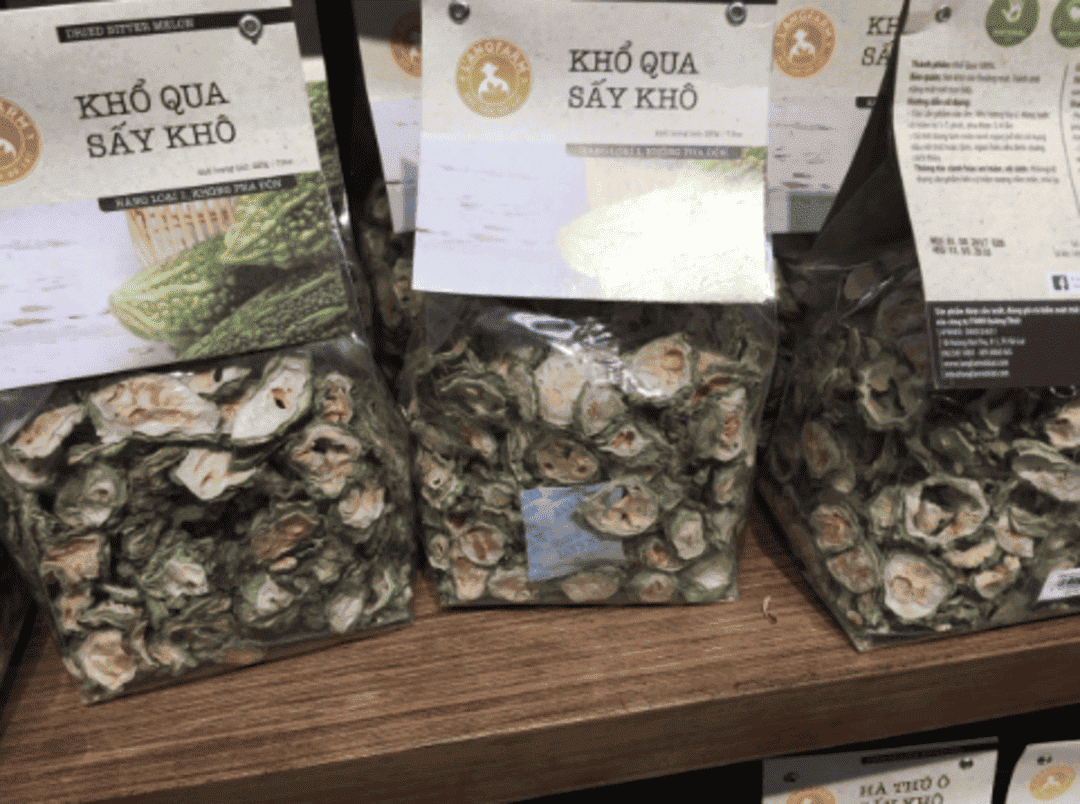
For packaged food products — confectionery, dried nuts, cereals, tea, coffee, herbal medicine, nutraceuticals — moisture control is the critical determinant of quality and shelf life. Relative humidity above 65% inside sealed packaging creates ideal conditions for Aspergillus mould and gram-negative bacteria to proliferate, degrading flavour, texture, and nutritional integrity. More seriously, aflatoxin — the carcinogenic mycotoxin produced by mould — is a tightly regulated food safety hazard in virtually every import market. CEMACOSG manufactures food-grade desiccants to recognised international standards, ensuring safety in indirect food contact applications without affecting product taste or aroma.
Recommended Products
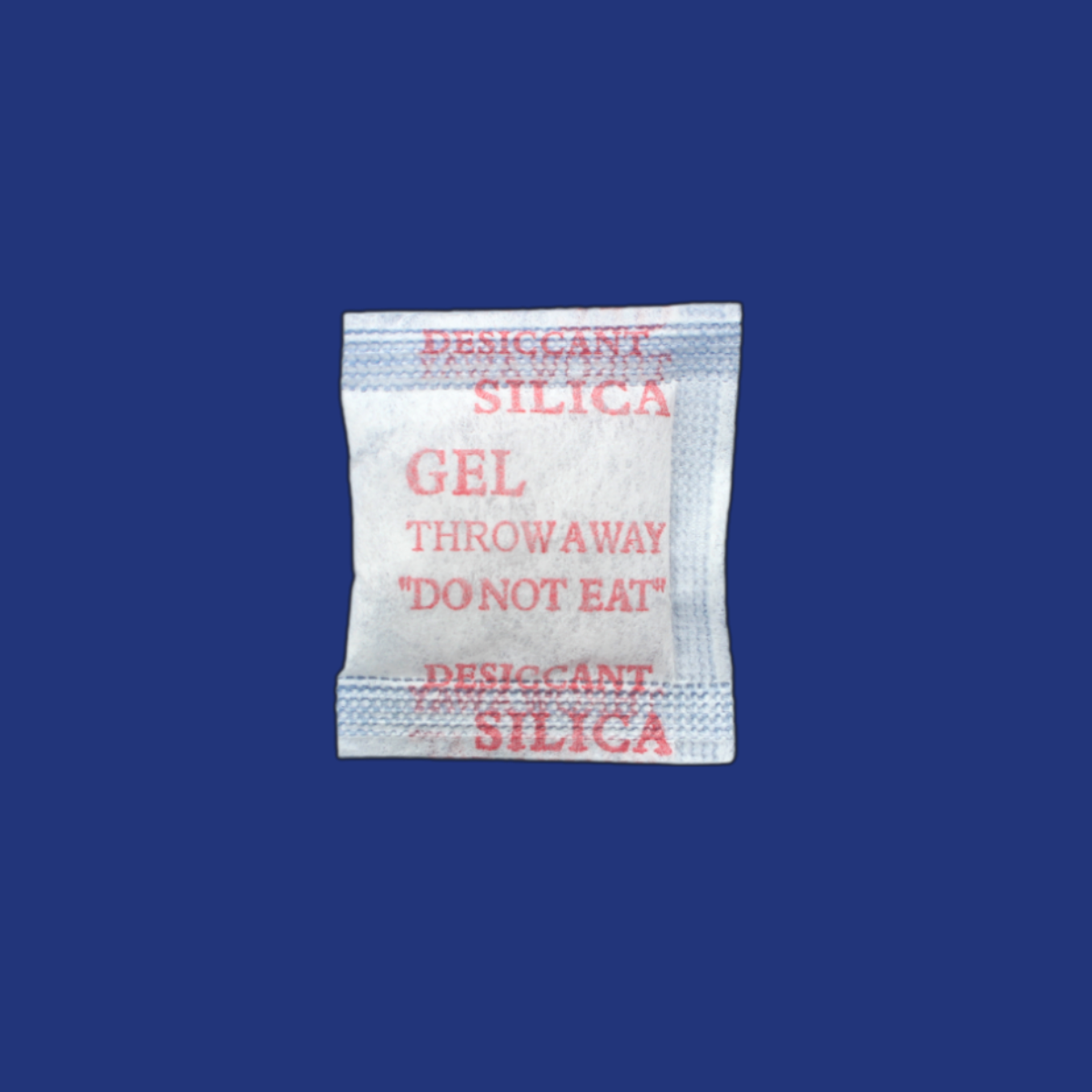
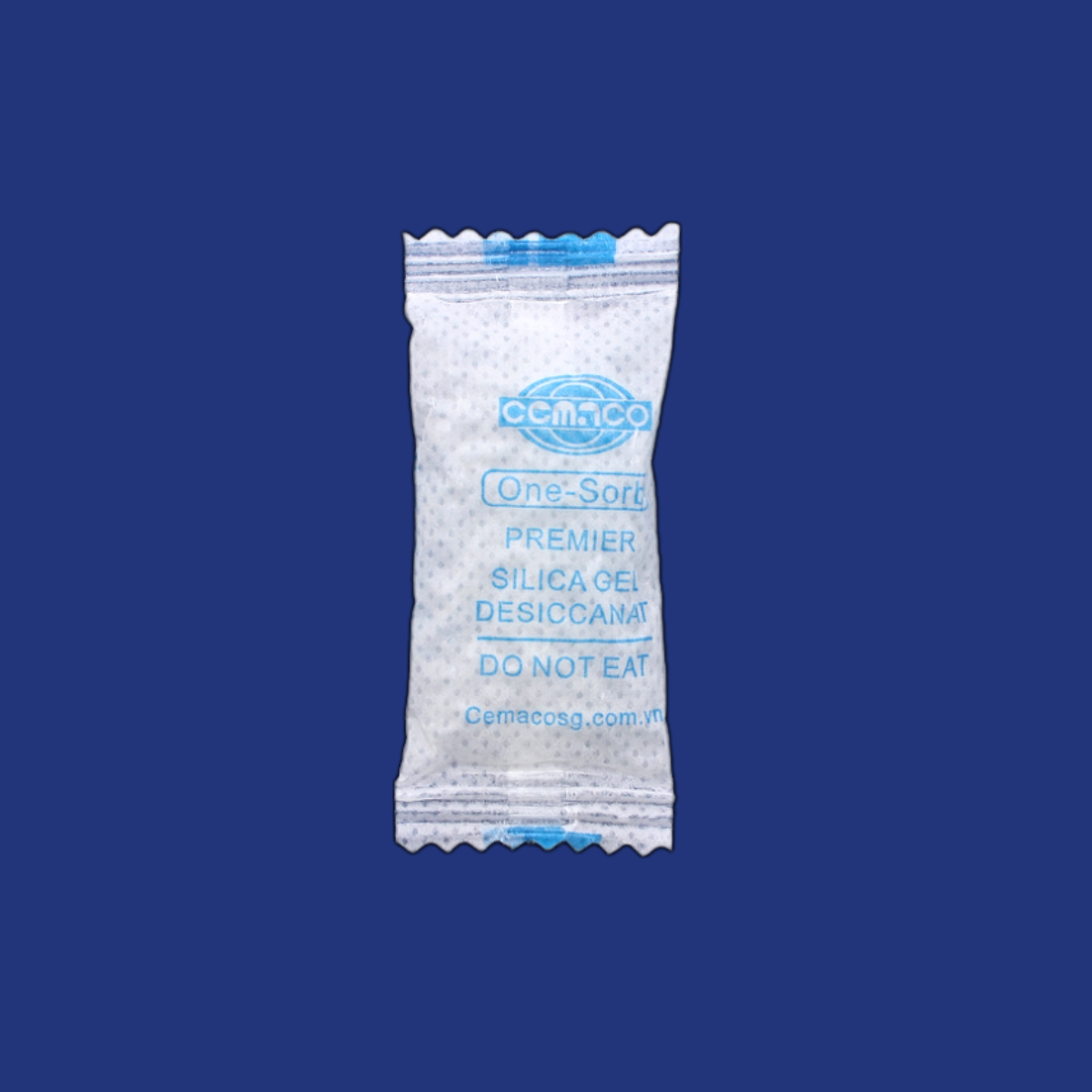
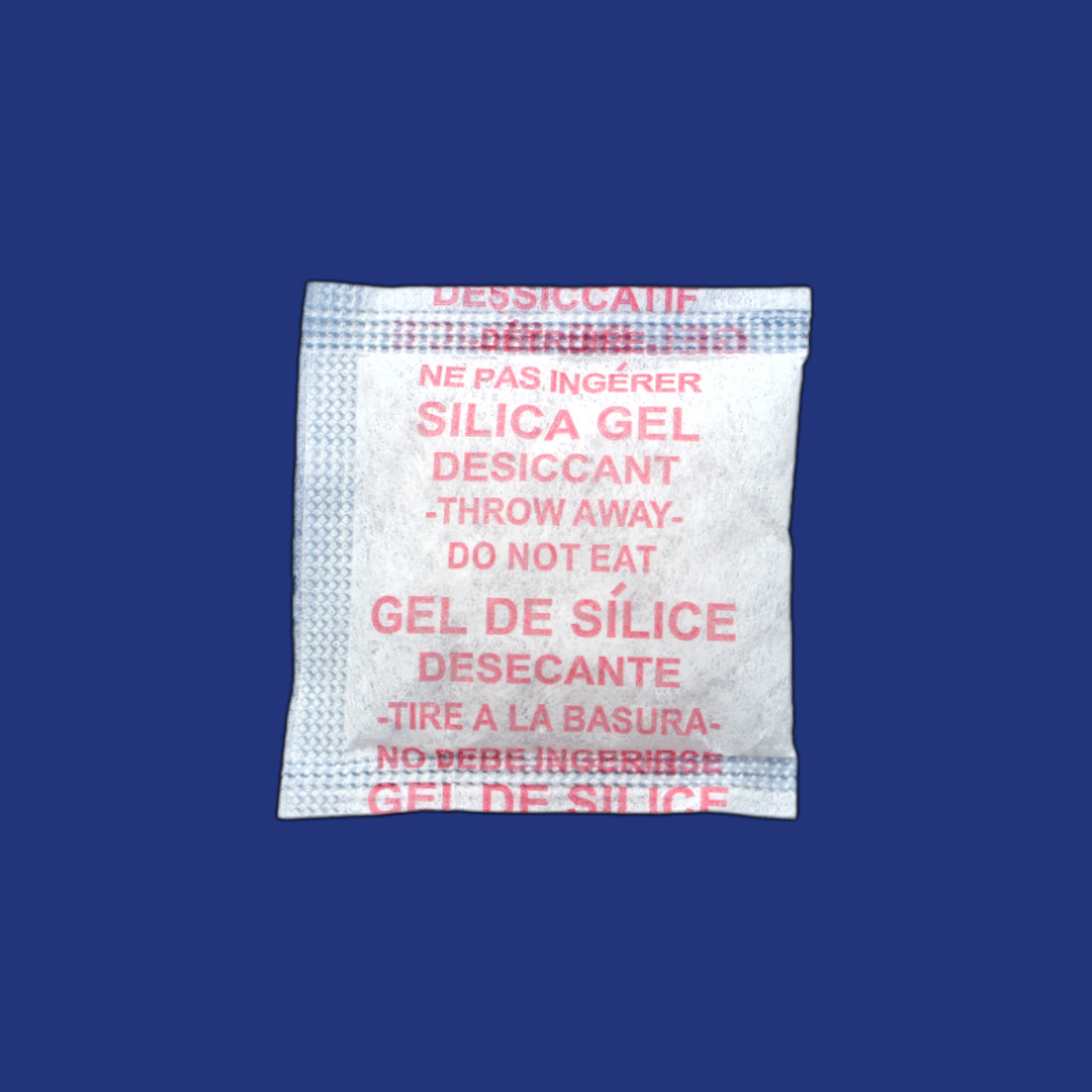
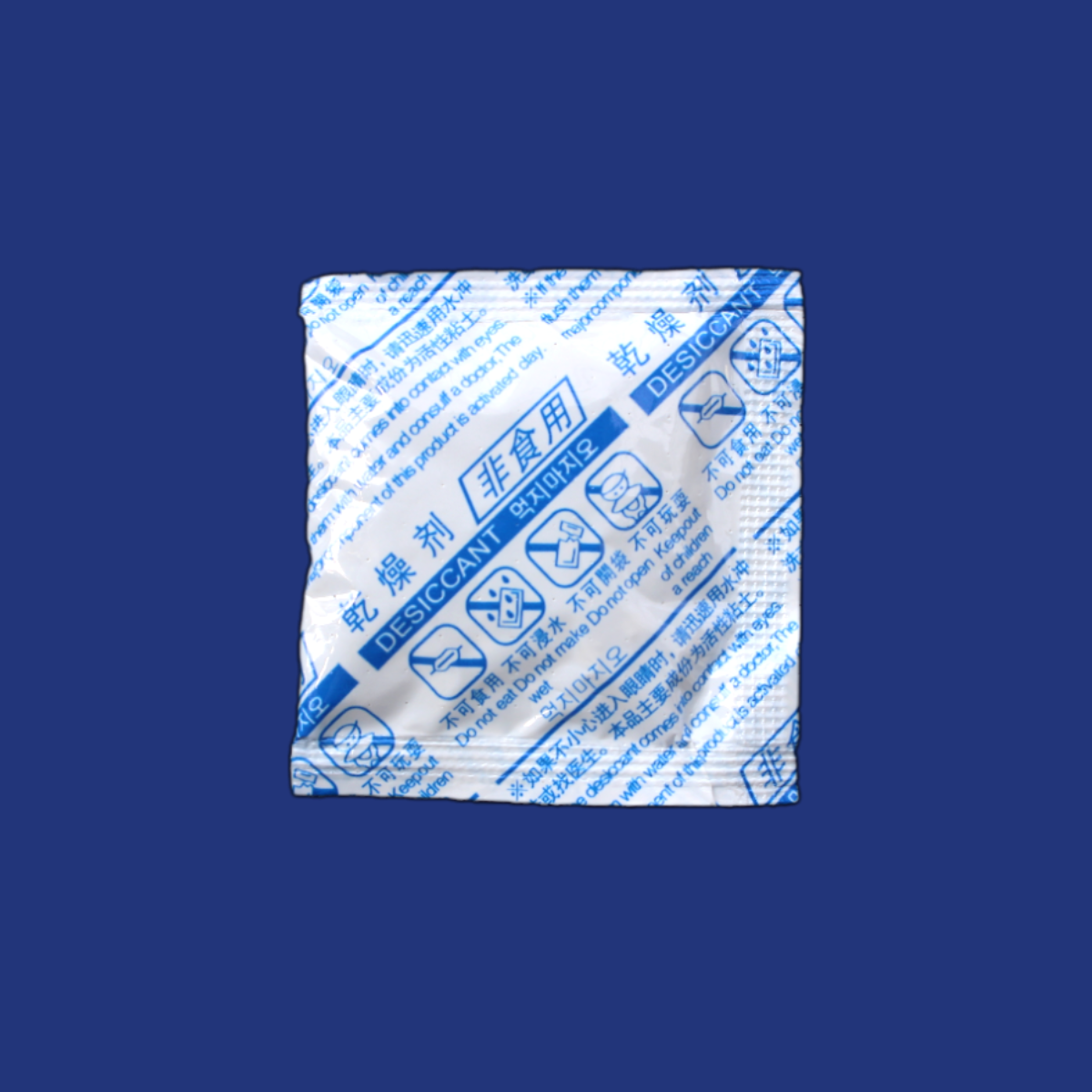
Food-grade Silica Gel (Tyvek paper or non-woven PP fabric packaging) is the industry standard — chemically inert, odourless, non-reactive with organic acids in food, absorbing 35–40% of its own weight. Suitable for confectionery, snacks, nuts, and powdered cereals. Clay (montmorillonite) is biodegradable, eco-friendly, and appropriate for tea, dried herbs, and food packed in paper or wooden boxes, offering stable absorption at lower RH ranges (30–60%). For food exports shipped in containers through humid tropical zones, combining Silica Gel/Clay inside individual packages with 1,000g hanging powder desiccants at the container level provides the most effective two-layer protection system.
Compliance Standards
- FDA 21 CFR Part 182 (Generally Recognized As Safe — GRAS) — Silica Gel is listed by the US FDA as a technical adjuvant that is generally recognised as safe for use in food packaging.
- EC 1935/2004 — EU regulation on materials intended to contact food; CEMACOSG Silica Gel and Clay comply with the requirement that no harmful substances migrate into food.
- HACCP (Hazard Analysis and Critical Control Points) — applied throughout CEMACOSG's food-grade desiccant manufacturing process.
- ISO 9001:2015 — ensures consistency and full traceability of each production batch.
- Free from CoCl₂ (cobalt chloride) — a colour indicator banned in food-contact packaging across the EU and many other jurisdictions.
Dosage Reference
Industry rule of thumb: 1–2g Silica Gel per 100g of food product in a fully sealed package. Biscuit/snack pack 100g: one 1g or 2g Silica Gel packet. Tea tin 200g: one 5g Silica Gel packet. Export carton 50 L of packaged food: 1–2 units of Clay 50g or Silica Gel 50g. Nutraceutical bottle 500 ml: one 3g or 5g Silica Gel packet. 20ft food-export container: individual pack-level desiccants plus 6–8 units of 1,000g hanging powder desiccant at container level.
Standard Packing Procedure
- Control packing room environment — maintain RH < 55% and temperature 18–22°C to prevent desiccant packets from pre-loading with moisture before insertion.
- Select the correct packet size — follow the dosage guide above; favour small individual packets (1g–10g) distributed per unit rather than a single large packet shared across multiple SKUs.
- Insert desiccant before sealing — place on top of the product layer without direct contact with edible surfaces; for powdered or granular food, position above the product surface.
- Seal the package immediately — limit time the package remains open after inserting the desiccant to no more than 30 seconds under typical room conditions.
- Store finished goods correctly — warehouse at RH 50–60%, away from direct sunlight; inspect batch stock at least every 3 months for pre-shipment inventory.
Why Choose CEMACOSG
- ISO 9001 + HACCP certified manufacturing — the two core certifications that international food buyers require when auditing packaging material suppliers.
- CoCl₂-free Silica Gel, FDA and EC 1935/2004 compliant — full technical documentation (TDS, SDS, COA) available for food manufacturer QC and legal teams.
- Tyvek paper or PP non-woven packaging — no odour, no particle migration into food, compliant with FDA and EU food-contact packaging requirements.
- Supplier audit support — CEMACOSG supplies complete certification dossiers, TDS, SDS, and batch COA for use in BRC, SQF, and FSSC 22000 supplier audits.