Desiccant Solution for Garment and Footwear Exports
In the garment and footwear export supply chain, mould is a silent but costly risk. Textile fibres, leather, and synthetic materials readily absorb atmospheric moisture, creating ideal conditions for mould growth within 48–72 hours when relative humidity (RH) exceeds 70% and temperature exceeds 25°C. When a garment shipment arriving in the EU, US, or Japan is found to contain mould, the consequences include warranty claims, contract cancellations, and lasting damage to brand reputation. CEMACOSG partners with garment factories and exporters to deliver end-to-end moisture control from packing line to final delivery.
Recommended Products
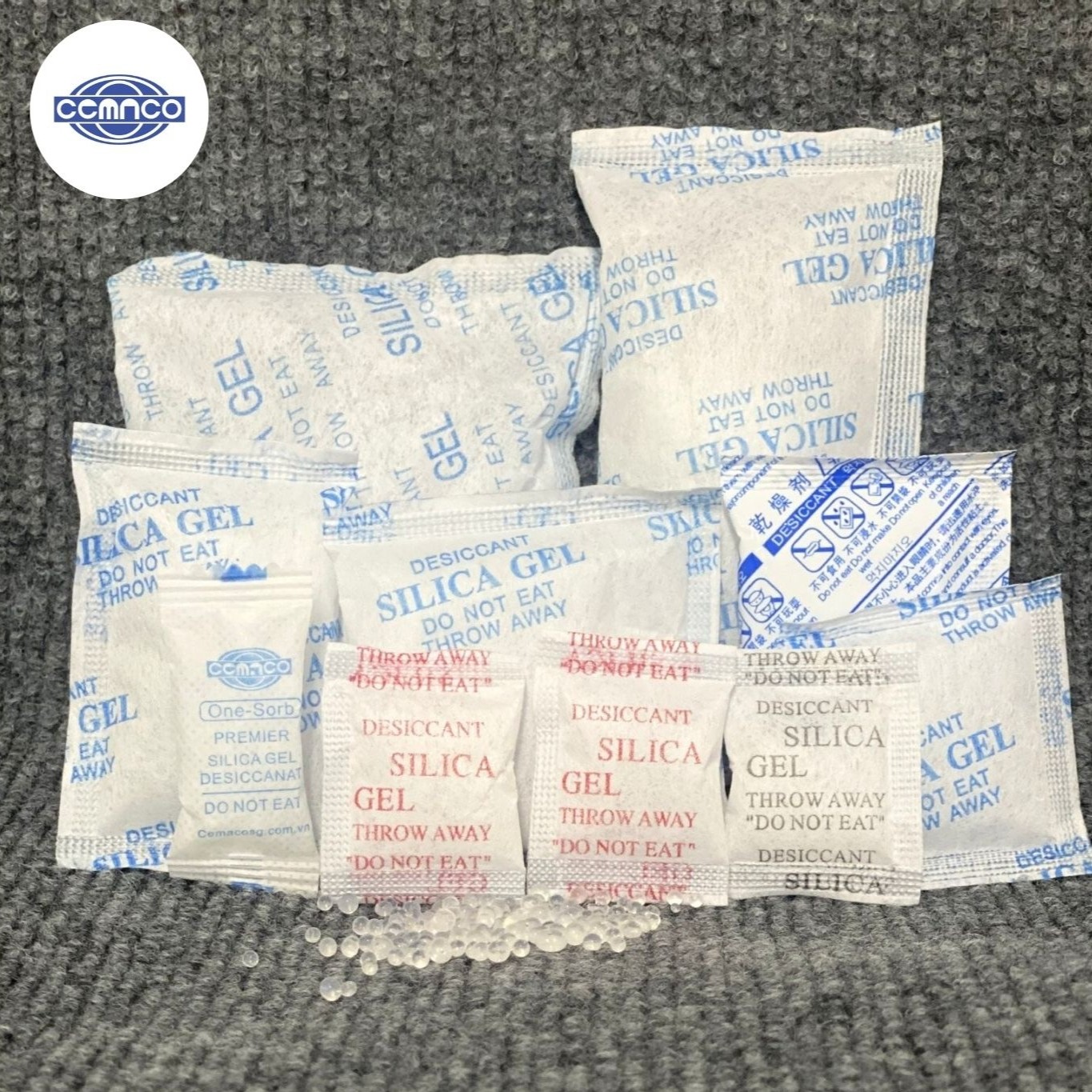
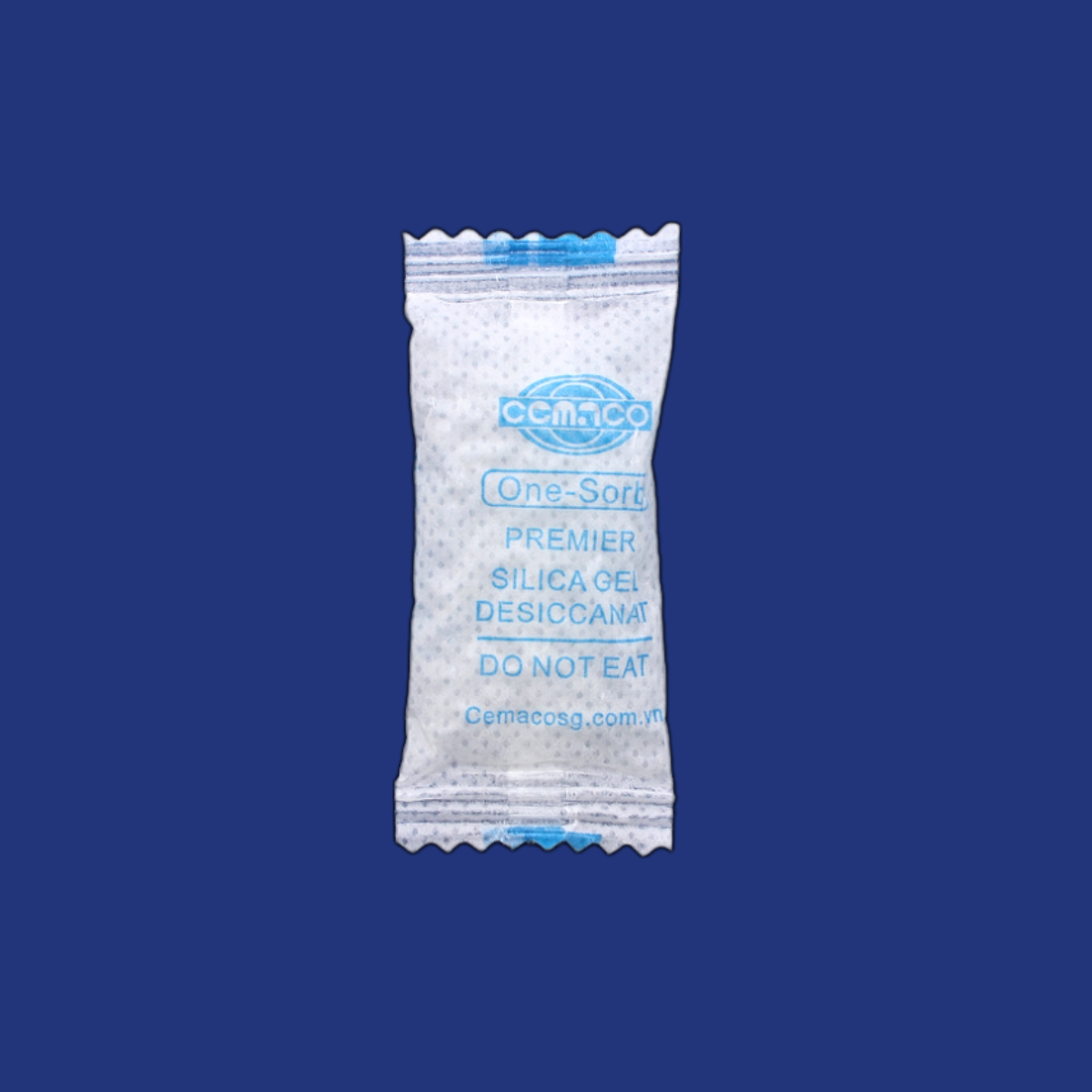
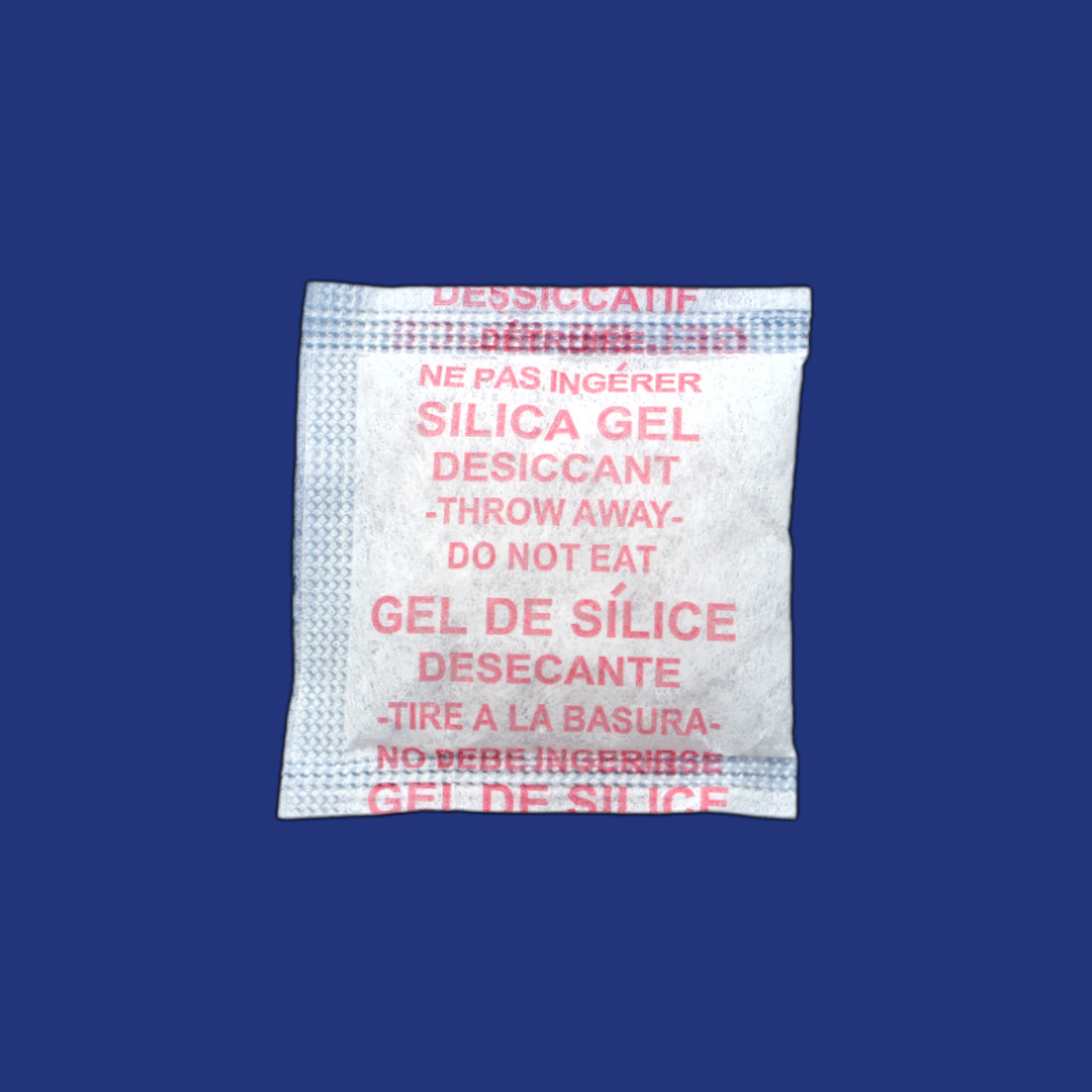
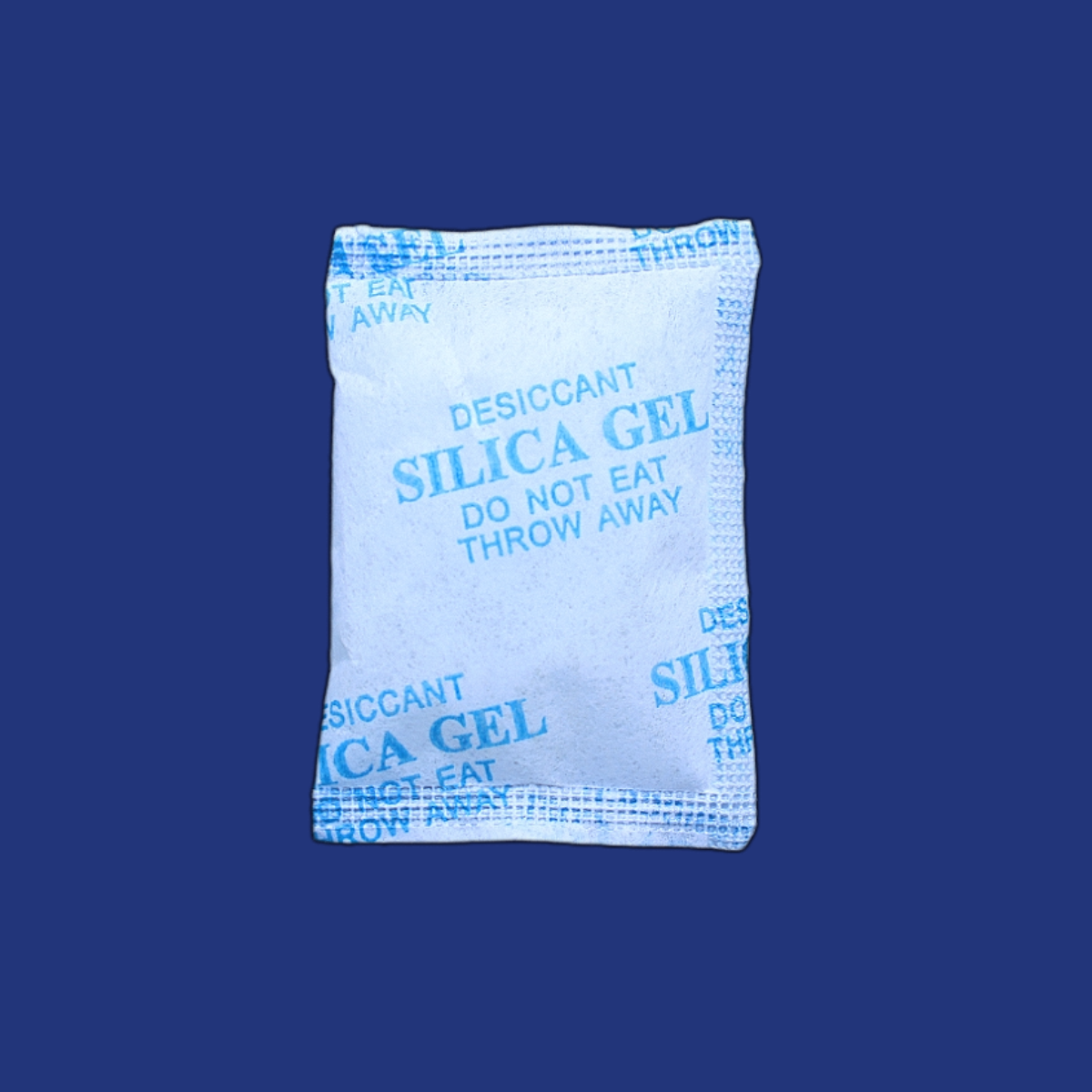
Silica Gel is the industry-standard choice for garments and footwear — absorbing 35–40% of its own weight, generating no dust, carrying zero liquid-leakage risk, and being fully safe for fabric and leather contact. Most common sizes: 1g–5g for individual shoe boxes, 10g–50g for export cartons, 100g–500g hanging format for container-level protection. Clay (activated montmorillonite) is the cost-effective option for medium- to long-term warehouse storage, providing stable moisture control in the RH 40–70% range. CaCl₂ powder desiccants are not recommended inside textile cartons due to the liquid-leakage risk that can permanently stain fabric.
Compliance Standards
- OEKO-TEX Standard 100 — European textile certification requiring no harmful substances throughout the supply chain; CEMACOSG Silica Gel and Clay contain no cobalt chloride (CoCl₂) or toxic colour indicators.
- ISO 9001:2015 — consistent manufacturing and quality control processes.
- REACH (EC 1907/2006) — free from Substances of Very High Concern (SVHC) per the ECHA candidate list, a standard requirement of EU and Japanese buyers.
- RoHS Directive 2011/65/EU — free from heavy metals, compliant for co-packaging with electronics in smart textile shipments.
Dosage Reference
Industry standard: 1g Silica Gel per 1 litre of enclosed air space under typical warehouse conditions (20–25°C, initial RH ~60%). Shoe box 5–7 L: 5–7g (commonly 5g). Export carton 40–50 L of folded garments: 40–50g (one 50g packet or two 25g packets). 20ft container of garments: 6–8 units of 500g hanging Silica Gel or 4–6 units of 1000g. Add 30% more for shipments transiting through tropical ports during the rainy season (May–November).
Standard Packing Procedure
- Check warehouse and product RH before packing — packing area should maintain RH 40–55%; verify leather moisture content is below 14% using a moisture meter.
- Place Silica Gel correctly — in shoe boxes: one packet at a corner, not in direct contact with leather surfaces; in garment cartons: place 1–2 packets on the top layer before sealing.
- Seal packaging completely — use PE tape or PE shrink film to minimise air exchange with the external environment after inserting desiccant.
- Apply 'DO NOT EAT' warning label — required by most export markets (EU, US) and major retail chain packaging standards.
- Control RH in finished-goods warehouse — target RH 50–55%; if the warehouse is not climate-controlled, supplement with hanging Clay 500g–1000g units inside the storage area.
Why Choose CEMACOSG
- CoCl₂-free Silica Gel — all indicator-type Silica Gel uses safe colour indicators without cobalt chloride, compliant with OEKO-TEX and REACH EU requirements.
- Brand-name printing on packets — exporter or retail brand names/logos printed directly on desiccant packaging, MOQ from 5,000 units.
- Stable supply for mass-production orders — HCMC warehouse and manufacturing capacity supports orders of 10,000–1,000,000 units per month.
- Free technical consultation — support factory QC teams in determining the correct dosage per SKU and export destination.