Gói hút ẩm cho may mặc xuất khẩu Mỹ / EU — OEKO-TEX và REACH
Hàng may mặc xuất Mỹ/EU phải chống nấm mốc Aspergillus trong hành trình container. OEKO-TEX Standard 100 kiểm soát phụ liệu đóng gói tiếp xúc da; REACH Annex XVII cấm CoCl₂ trong sản phẩm tiêu dùng EU. CEMACO Sài Gòn cung cấp silica gel 1g–50g không CoCl₂, đạt yêu cầu xuất khẩu.
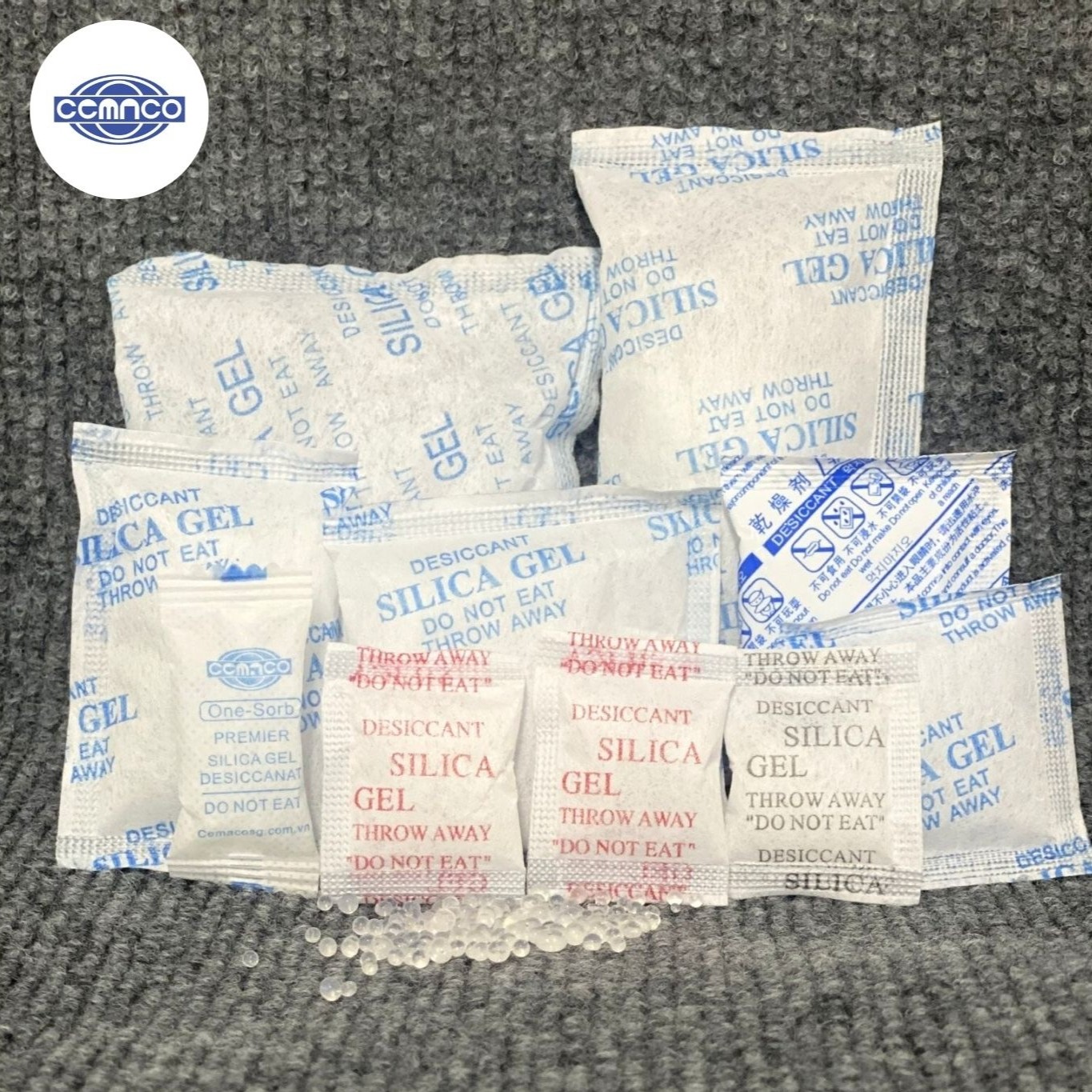
TL;DR: Hàng may mặc xuất khẩu sang Mỹ và EU phải chống nấm mốc Aspergillus, Penicillium trong suốt hành trình vận chuyển 15–30 ngày. Tiêu chuẩn OEKO-TEX Standard 100 yêu cầu phụ liệu đóng gói tiếp xúc da (class I–II) phải an toàn; REACH Annex XVII cấm silica gel indicator CoCl₂ (cobalt chloride) trong sản phẩm tiêu dùng EU. CEMACO Sài Gòn cung cấp silica gel 1g–50g vải không dệt đạt OEKO-TEX, không CoCl₂, phù hợp hộp giày da, carton áo thun, ba lô, sản phẩm len cashmere xuất khẩu.
Vì sao hàng may mặc xuất khẩu Mỹ/EU cần gói hút ẩm?
Nấm mốc là mối nguy hàng đầu với hàng dệt may trong container. Hai chi nấm phổ biến nhất là Aspergillus niger và Penicillium chrysogenum — cả hai đều phát triển mạnh khi RH vượt 70%, nhiệt độ 20–35 °C. Trong hành trình container tàu biển từ Việt Nam đến Mỹ (15–18 ngày qua Thái Bình Dương) hoặc EU (28–32 ngày qua kênh Suez), nhiệt độ bên trong container dao động lớn, đặc biệt khi tàu đi qua vùng biển nhiệt đới. Hiện tượng "container rain" (nước ngưng tụ từ trần container nhỏ xuống hàng) là rủi ro thực tế với carton may mặc chất cao.
Hệ quả với từng loại vật liệu:
- Da thuộc và da tổng hợp (giày, túi xách): nấm mốc để lại vết ố trắng, mùi hôi, không thể phục hồi sau khi bào tử bám sâu vào cấu trúc collagen.
- Len và cashmere: ẩm cao kết hợp nhiệt độ kích hoạt enzyme trong sợi protein, làm sợi vón cục, co rút, mất độ mềm mại.
- Vải cotton dày (jeans, jacket): tuy ít nhạy hơn nhưng màu nhuộm dễ phai do ẩm kéo dài, đặc biệt màu indigo vải denim.
- Vải tổng hợp polyester/nylon: ít bị nấm nhưng dễ sinh mùi hóa học khi ẩm phản ứng với hóa chất xử lý vải (softener, flame retardant).
Nhà nhập khẩu Mỹ và EU ngày càng yêu cầu Certificate of Conformance từ nhà cung cấp phụ liệu đóng gói, bao gồm gói hút ẩm. Hàng bị từ chối do mốc tại cảng đến kéo theo chi phí phá bỏ, bảo hiểm và mất uy tín lô hàng — thường lớn hơn nhiều so với chi phí phòng ngừa ban đầu.
Xem thêm: Dòng silica gel CEMACO Sài Gòn — 15 quy cách từ 1g đến 500g.
Tiêu chuẩn OEKO-TEX Standard 100 cho phụ liệu đóng gói
OEKO-TEX Standard 100 (do OEKO-TEX Association, Thụy Sĩ quản lý) là chứng nhận kiểm tra nguyên liệu dệt may và phụ liệu liên quan đối với hàng trăm chất độc hại tiềm ẩn — thuốc nhuộm azo, formaldehyde, kim loại nặng, pesticide, pH... Chứng nhận phân thành 4 class tùy mức độ tiếp xúc da:
| Class | Đối tượng sản phẩm | Mức kiểm tra | Gói hút ẩm cần đạt? |
|---|---|---|---|
| Class I | Sản phẩm cho trẻ dưới 3 tuổi (áo, tã, đồ chơi vải) | Khắt khe nhất | Nếu gói hút ẩm đặt trực tiếp trong bao bì cùng sản phẩm baby |
| Class II | Hàng tiếp xúc da trực tiếp (áo thun, đồ lót, khăn) | Nghiêm ngặt | Nếu gói hút ẩm đặt trong cùng túi PE với sản phẩm |
| Class III | Hàng không tiếp xúc da trực tiếp (áo khoác ngoài, rèm) | Trung bình | Thường cần — phụ liệu trong carton |
| Class IV | Vật liệu trang trí, nội thất (thảm, đệm) | Cơ bản | Tùy yêu cầu buyer |
Thực tế thương mại: phần lớn nhà mua hàng (brand) Mỹ và EU yêu cầu toàn bộ phụ liệu đóng gói (túi PE, hanger, pin, sticker, gói hút ẩm) phải đạt OEKO-TEX Standard 100, bất kể class. Một số brand lớn như H&M, Zara, Uniqlo còn yêu cầu chứng nhận OEKO-TEX đính kèm hóa đơn thương mại cho từng lô hàng.
CEMACO Sài Gòn cung cấp silica gel vải không dệt sử dụng vật liệu PP spunbond trơ, không chứa chất nhuộm, không hóa chất xử lý bề mặt. Khách hàng cần CoC hoặc test report theo OEKO-TEX vui lòng liên hệ để được hỗ trợ thông tin kiểm nghiệm. Tham khảo tiêu chuẩn gốc: OEKO-TEX Standard 100 — Hệ thống kiểm tra và chứng nhận toàn cầu.
REACH SVHC + Annex XVII — CoCl₂ là NO cho may mặc EU
REACH (Registration, Evaluation, Authorisation and Restriction of Chemicals) là quy định EU 1907/2006 kiểm soát hóa chất trong sản phẩm bán tại EU. Danh sách SVHC (Substances of Very High Concern) hiện có hơn 240 chất — và Cobalt chloride (CoCl₂) là chất gây ung thư (CMR Cat. 1B) nằm trong SVHC từ 2008.
Vấn đề với ngành may mặc: silica gel indicator truyền thống dùng CoCl₂ để hiển thị màu (xanh cobalt khi khô → hồng/đỏ khi ẩm). Khi gói hút ẩm này được đặt trong hộp giày, carton áo, hoặc túi quần áo xuất EU:
- Nếu hàm lượng CoCl₂ trong sản phẩm hoàn chỉnh (gói + bao bì) vượt 0,1% w/w, doanh nghiệp phải thông báo SVHC theo điều 33 REACH — tức là phải khai báo với khách hàng và cơ quan chức năng EU.
- REACH Annex XVII mục 27 hạn chế CoCl₂ trong hàng tiêu dùng (bao gồm silica gel chỉ thị màu bán lẻ) dưới 0,01% w/w.
- Một số thị trường EU (Đức, Hà Lan, Bỉ) đã tăng cường kiểm tra phụ liệu đóng gói hàng dệt may tại cảng từ 2022, phạt nặng lô hàng chứa CoCl₂ vượt ngưỡng.
Giải pháp thay thế: sử dụng silica gel không indicator (loại trắng trong, không thêm hóa chất chỉ thị màu) kết hợp Humidity Indicator Card (HIC) không CoCl₂ đặt riêng bên ngoài gói — hoặc dùng indicator thế hệ mới dựa trên methyl violet, bromothymol blue (không chứa kim loại nặng). CEMACO Sài Gòn cung cấp silica gel trắng trơ, không chứa CoCl₂, xuất CoC xác nhận. Kiểm tra danh sách SVHC mới nhất: ECHA Candidate List of Substances of Very High Concern.
Xem thêm: Gói hút ẩm gỗ xuất khẩu chuẩn quốc tế — kinh nghiệm từ ngành gỗ Bình Dương.
Bảng tính silica gel theo loại sản phẩm may mặc
Lượng silica gel phụ thuộc khối lượng sản phẩm, vật liệu, kích thước carton và thời gian vận chuyển. Bảng dưới đây là giá trị tham chiếu cho hành trình container 30 ngày, điều kiện nhiệt đới:
| Loại sản phẩm may mặc | Rủi ro ẩm | Silica gel / đơn vị đóng gói | Vị trí đặt | Quy cách khuyến nghị |
|---|---|---|---|---|
| Áo thun cotton (carton 100 cái) | Trung bình | 3–5g × 4 gói / carton | 4 góc carton | Silica gel 3g vải KD in logo |
| Giày da hoặc da tổng hợp (hộp đơn) | Cao | 5g / hộp giày | Trong hộp giày, kẹp giữa 2 chiếc | Silica gel 5g vải không dệt |
| Len cashmere (hộp gift set) | Rất cao | 10g / hộp | Dưới lớp tissue paper, cạnh sản phẩm | Silica gel 10g vải không dệt |
| Ba lô, túi xách vải (carton 24 cái) | Trung bình | 3g × 2 gói trong mỗi túi PE | Bên trong từng túi PE bọc sản phẩm | Silica gel 3g vải KD |
| Container 20ft hàng dệt may hỗn hợp | Cao (container rain) | 50g × 16–20 gói treo vách container | Treo thanh ngang, cách đều vách | Silica gel 50g giấy Tyvek |
Lưu ý: Số liệu trên tính cho vật liệu MBB / PE bag tiêu chuẩn. Carton 5 lớp sóng (double wall) giữ độ ẩm trong khoang tốt hơn — có thể giảm 10–15% lượng silica gel. Tư vấn miễn phí: 0983 929 232.
Vị trí đặt gói hút ẩm trong carton may mặc xuất khẩu
Vị trí đặt silica gel ảnh hưởng trực tiếp đến hiệu quả hút ẩm. Một số nguyên tắc thực hành tốt:
- Đặt ở các góc và mặt đáy carton: không khí ẩm nặng hơn, tích tụ phía dưới carton. Đặt silica gel ở đáy giúp hút ẩm hiệu quả hơn đặt ở giữa.
- Không đặt trực tiếp trên sản phẩm: gói hút ẩm cần có không gian không khí xung quanh để hút ẩm qua khuếch tán hơi. Kẹp sát vải làm giảm diện tích tiếp xúc không khí, giảm hiệu quả.
- Lớp PE bag bọc từng sản phẩm + silica gel bên trong PE bag: đây là cấu trúc tốt nhất cho giày da và đồ da premium. Mỗi đơn vị có môi trường khép kín riêng, không bị ảnh hưởng khi carton bị mở giữa chừng tại warehouse.
- Silica gel treo vách container (loại 50g Tyvek có dây treo): hiệu quả kiểm soát container rain, dùng cho lô hàng container nguyên thùng FCL. Không nên dùng loại này bên trong carton vì không phù hợp kích thước.
- Đừng trộn lẫn silica gel cũ và mới: gói silica gel đã khai bao bì từ lô trước (đã hút một phần ẩm) không nên dùng chung với gói mới trong cùng lô xuất khẩu — làm lệch khả năng hút ẩm tổng.
Xem thêm: Quy định EU EC 1935/2004 về phụ liệu tiếp xúc thực phẩm — áp dụng cho gói hút ẩm.
Liên hệ CEMACO Sài Gòn để được tư vấn layout đóng gói cụ thể cho từng loại sản phẩm may mặc: Giải pháp hút ẩm cho ngành may mặc xuất khẩu.
Câu hỏi thường gặp
Vì sao hàng may mặc cần gói hút ẩm khi xuất khẩu container?
Trong hành trình tàu biển 15–32 ngày qua vùng biển nhiệt đới, nhiệt độ và RH bên trong container thay đổi lớn. Khi không khí ẩm từ bên ngoài xâm nhập hoặc khi carton hấp thụ ẩm từ sàn container, nấm mốc Aspergillus và Penicillium có thể phát triển trên vải, da, len — gây thiệt hại hàng hóa không thể phục hồi. Gói hút ẩm silica gel duy trì RH trong carton dưới ngưỡng 60%, ngăn nấm mốc phát triển trong suốt hành trình.
OEKO-TEX Standard 100 là gì và gói hút ẩm có cần chứng nhận này không?
OEKO-TEX Standard 100 là hệ thống kiểm tra và chứng nhận của tổ chức OEKO-TEX (Thụy Sĩ) đảm bảo sản phẩm dệt may và phụ liệu không chứa chất độc hại ảnh hưởng sức khỏe người dùng. Nhiều nhà mua hàng Mỹ và EU yêu cầu gói hút ẩm đặt trong cùng bao bì với sản phẩm phải đạt OEKO-TEX Standard 100, đặc biệt với hàng class I (sản phẩm baby) và class II (tiếp xúc da trực tiếp). CEMACO Sài Gòn cung cấp silica gel vải không dệt PP spunbond trơ, không chứa chất gây hại; khách hàng cần test report liên hệ trực tiếp để hỗ trợ.
REACH SVHC có liên quan đến gói hút ẩm dùng trong hàng may mặc xuất EU không?
Có. Silica gel indicator truyền thống dùng Cobalt chloride (CoCl₂) để hiển thị màu sắc — CoCl₂ là chất SVHC (chất gây ung thư CMR 1B) bị hạn chế theo REACH Annex XVII với hàm lượng tối đa 0,01% w/w trong sản phẩm tiêu dùng bán tại EU. Gói hút ẩm có CoCl₂ đặt trong hàng may mặc xuất EU có thể bị giữ lại tại hải quan hoặc bị nhà nhập khẩu từ chối. CEMACO Sài Gòn cung cấp silica gel không chứa CoCl₂, an toàn cho hàng xuất EU.
Cần bao nhiêu silica gel cho 1 carton áo thun cotton 100 cái?
Với carton áo thun cotton 100 cái (khoảng 6–8 kg hàng, carton 60×40×40 cm), khuyến nghị dùng 4 gói silica gel 3g–5g đặt tại 4 góc đáy carton. Tổng 12–20g silica gel đủ duy trì RH dưới 60% trong 30 ngày vận chuyển container điều kiện nhiệt đới. Nếu carton lớn hơn hoặc sản phẩm có độ ẩm tự nhiên cao (linen, cotton dày), tăng lên 5g × 4 gói.
Mua silica gel cho hộp giày da xuất khẩu EU ở đâu tại Việt Nam?
CEMACO Sài Gòn chuyên cung cấp silica gel 5g vải không dệt — quy cách tiêu chuẩn cho hộp giày da xuất EU/Mỹ. Gói trơ, không CoCl₂, không màu nhuộm, vải PP spunbond mềm không làm xước da. Đóng thùng 1.000–2.000 gói/thùng. Giao hàng toàn quốc, xuất CoC. Liên hệ: 0983 929 232 hoặc yêu cầu báo giá online.
Doanh nghiệp may mặc xuất khẩu cần gói hút ẩm đạt OEKO-TEX, không CoCl₂, có Certificate of Conformance? CEMACO Sài Gòn tư vấn miễn phí lượng silica gel theo từng loại sản phẩm và hành trình vận chuyển. Yêu cầu báo giá ngay hoặc gọi 0983 929 232 (24/7).
Cần báo giá theo bài viết này?
Đội kỹ thuật CEMACOSG tư vấn miễn phí lượng gói hút ẩm theo hàng hóa, hành trình và yêu cầu xuất khẩu của bạn.