Silica gel vs Canxi clorua (CaCl₂) — Khi nào nên dùng loại nào?
Silica gel và canxi clorua (CaCl₂) có cơ chế hút ẩm hoàn toàn khác nhau — vật lý vs hóa học. Bài viết giải thích rõ khi nào cần CaCl₂ hấp thụ 200–300% w/w cho container RH cao, khi nào silica gel đủ và ổn định hơn. Quyết định đúng tiết kiệm chi phí đáng kể.
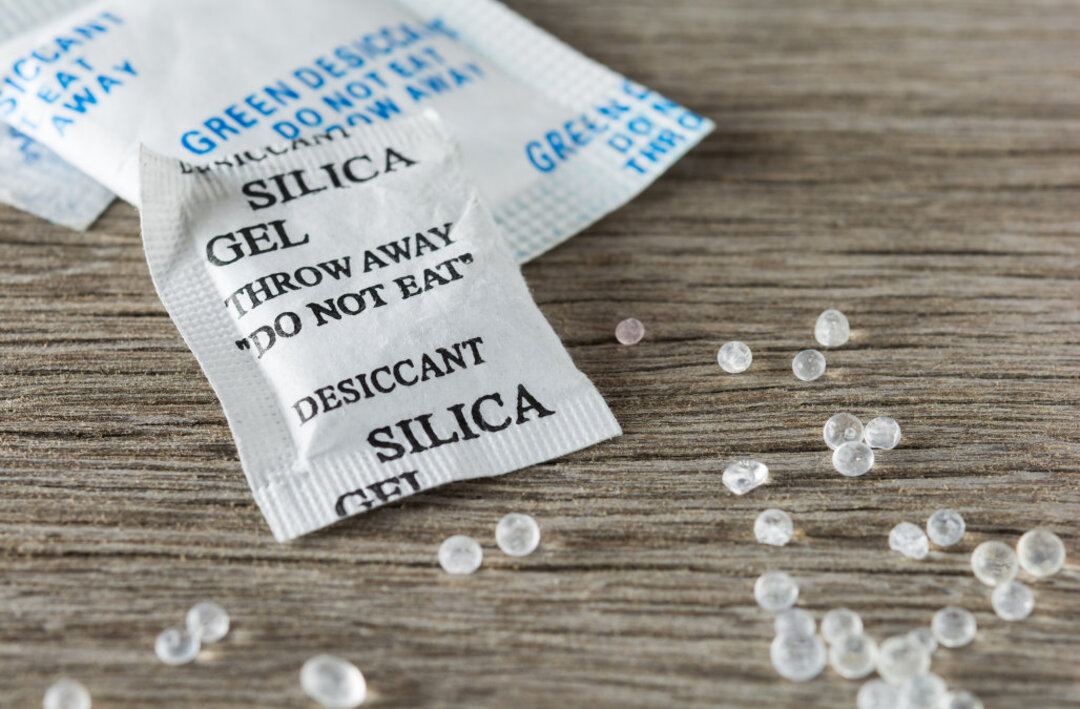
- Silica gel: hấp thụ 35–40% w/w qua physisorption (vật lý), tái sinh được, ổn định, không chảy nước. Phù hợp RH <70%, hàng nhạy cảm, lưu kho dài hạn.
- Bột hút ẩm CaCl₂: hấp thụ 200–300% w/w qua deliquescence (hóa học), không tái sinh, chảy brine khi bão hòa — cần bao bì đặc biệt. Phù hợp container RH >70%, tuyến dài, hàng nặng.
- Nguyên tắc: RH >70% hoặc tuyến biển >30 ngày → ưu tiên CaCl₂. RH <70% hoặc hàng điện tử/thực phẩm tiếp xúc trực tiếp → chọn silica gel.
- CEMACOSG cung cấp cả hai loại, đạt ISO 9001 + HACCP. Yêu cầu báo giá ngay.
Silica gel và canxi clorua khác nhau ở đâu?
Khi lựa chọn desiccant cho container hoặc kho hàng có độ ẩm cao, nhiều doanh nghiệp xuất khẩu Việt Nam đặt câu hỏi: nên dùng silica gel truyền thống hay bột hút ẩm canxi clorua (CaCl₂)? Câu trả lời phụ thuộc vào cơ chế hoạt động căn bản của từng loại — và hiểu rõ cơ chế sẽ giúp đưa ra quyết định đúng, tránh tốn kém không cần thiết.
Điểm khác biệt cốt lõi là cơ chế hấp thụ:
- Silica gel hoạt động theo cơ chế vật lý (physisorption): phân tử nước bị giữ lại trong mạng lưới lỗ xốp SiO₂ mà không có phản ứng hóa học nào xảy ra. Silica gel vẫn ở dạng rắn sau khi bão hòa.
- Canxi clorua (CaCl₂) hoạt động theo cơ chế hóa học (deliquescence): CaCl₂ phản ứng với hơi nước trong không khí, tan ra dần thành dung dịch brine (CaCl₂ + H₂O → CaCl₂·nH₂O dạng lỏng). Khi bão hòa, sản phẩm chuyển thành chất lỏng.
Sự khác biệt này dẫn đến toàn bộ sự khác biệt về hiệu suất, ứng dụng và cách xử lý. Canxi clorua có thể hút lượng nước gấp 2–2,5 lần trọng lượng của chính nó — jauh cao hơn silica gel (35–40%). Đây chính là lý do tại sao CaCl₂ trở thành lựa chọn ưu tiên cho container tuyến dài qua vùng nhiệt đới ẩm.
Tuy nhiên, năng lực hút ẩm vượt trội này đi kèm với nhược điểm quan trọng: CaCl₂ chảy nước khi bão hòa, không tái sử dụng được, và cần bao bì thiết kế đặc biệt để ngăn rò rỉ gây hư hại hàng hóa.
Cơ chế hấp thụ ẩm — Vật lý vs Hóa học
Hiểu rõ cơ chế giúp dự đoán hành vi của desiccant trong điều kiện thực tế:
Silica gel — Physisorption (hấp thụ vật lý):
Silica gel hút ẩm thông qua lực hút giữa phân tử nước và bề mặt lỗ xốp SiO₂ (lực Van der Waals + liên kết hydro). Đây là quá trình vật lý thuần túy, thuận nghịch (reversible) — silica gel có thể tái sinh bằng cách gia nhiệt để phá vỡ liên kết vật lý và giải phóng hơi nước.
Đặc điểm: Silica gel hút ẩm từ RH ~10%, hút đều và tuyến tính theo gradient RH. Ở RH 60%, silica gel hút khoảng 20–25% w/w; ở RH 90%, đạt 35–40% w/w. Tốc độ hút ẩm nhanh nhất trong 24–48 giờ đầu rồi chậm dần khi gần bão hòa. Silica gel bão hòa vẫn ở dạng rắn, không chảy, không ăn mòn hàng hóa xung quanh.
Canxi clorua — Deliquescence (hóa tan do ẩm):
CaCl₂ là muối hút ẩm mạnh (hygroscopic salt) với điểm deliquescence ở RH ~30% (ở 25°C). Khi RH môi trường vượt 30%, CaCl₂ bắt đầu hút hơi nước và tan ra từng phần, tạo thành dung dịch CaCl₂ lỏng. Dung dịch này tiếp tục hút ẩm thêm cho đến khi nồng độ đạt cân bằng với RH môi trường.
Phản ứng: CaCl₂ (rắn) + nH₂O (hơi) → CaCl₂·nH₂O (lỏng)
Đây là quá trình hóa học không thuận nghịch ở nhiệt độ bình thường — không thể tái sinh bằng cách sấy đơn giản như silica gel.
Đặc điểm: CaCl₂ bắt đầu kích hoạt từ RH >30%, hút ẩm theo đường cong phi tuyến, mạnh nhất ở RH >60–70%. Khả năng hấp thụ thực tế trong điều kiện container đạt 200–300% w/w — gấp 3–5 lần silica gel. Nhưng khi bão hòa, CaCl₂ chuyển thành chất lỏng, cần bao bì có lớp thu nước chuyên biệt.
Tham khảo thêm tính chất hóa lý của CaCl₂ tại PubChem — Calcium Chloride.
Bảng so sánh hiệu suất
So sánh trực tiếp các chỉ số hiệu suất trong điều kiện vận tải container thực tế:
| Chỉ số | Silica Gel | Bột hút ẩm CaCl₂ |
|---|---|---|
| % hấp thụ tối đa (w/w) | 35–40% | 100–200% |
| % hấp thụ trong container thực tế (30 ngày) | 20–30% | 80–150% |
| RH kích hoạt | ~10% RH | ~30% RH |
| Hiệu suất tốt nhất | RH 40–70% | RH >60–70% |
| Trạng thái sau bão hòa | Rắn (không chảy) | Lỏng (brine — chảy) |
| Tái sử dụng | Có (5–7 chu kỳ) | Không |
| Yêu cầu bao bì đặc biệt | Không | Có (lớp thu nước brine) |
| Phù hợp tuyến dài >30 ngày | Cần lượng lớn | Ưu tiên hàng đầu |
Hiệu suất thực tế phụ thuộc vào điều kiện đóng gói, khối lượng hàng, và biên độ RH dọc tuyến vận chuyển. Tham khảo thêm bài container shipping 3-way để so sánh cả ba loại trong ngữ cảnh vận tải.
Ưu nhược điểm từng loại
Silica Gel — Ưu điểm:
- Hút ẩm ổn định, tuyến tính theo RH từ RH 10%
- Không chảy, không ăn mòn, an toàn với mọi loại hàng hóa
- Tái sinh dễ dàng — sấy 120–150°C, dùng lại 5–7 chu kỳ
- Có loại chỉ thị màu (xanh → hồng khi bão hòa) giúp kiểm soát trực quan
Silica Gel — Nhược điểm:
- Hấp thụ tối đa chỉ 35–40% w/w — không đủ cho container RH rất cao (>80%)
- Chi phí cao hơn CaCl₂ theo tỷ lệ hấp thụ thực tế
- Cần lượng lớn cho tuyến biển >30 ngày qua vùng nhiệt đới
- Không hiệu quả khi RH môi trường dao động lớn và liên tục
Bột hút ẩm CaCl₂ — Ưu điểm:
- Năng lực hút ẩm vượt trội: 200–300% w/w — hiệu quả trong môi trường RH cực cao
- Lý tưởng cho container tuyến dài (>30 ngày) qua vùng nhiệt đới, ổ ẩm cao
- Ít gói hơn cần dùng so với silica gel cho cùng lượng ẩm cần xử lý
- Chi phí per-gram hợp lý khi tính theo tỷ lệ hấp thụ thực tế
Bột hút ẩm CaCl₂ — Nhược điểm:
- Chuyển thành dạng lỏng (brine) khi bão hòa — rủi ro rò rỉ nếu bao bì không đúng chuẩn
- Không tái sử dụng — chi phí 1 lần
- Cần bao bì thiết kế đặc biệt với lớp thu nước brine
- Không phù hợp hàng nhạy cảm với muối hoặc độ ẩm cực thấp (điện tử, dược)
Khi nào dùng silica gel? Khi nào dùng CaCl₂?
Dưới đây là ma trận quyết định dựa trên 3 yếu tố chính: RH môi trường, độ dài hành trình, và loại hàng:
| Điều kiện | Khuyến nghị | Lý do |
|---|---|---|
| RH <60%, hành trình <15 ngày | Silica Gel | Đủ năng lực, ổn định, tái sinh được |
| RH 60–80%, hành trình 15–30 ngày | Silica Gel (lượng tăng 30–50%) | Tăng số lượng gói để bù RH cao hơn |
| RH >80%, hành trình >30 ngày | Bột hút ẩm CaCl₂ | Năng lực 200–300% w/w mới đủ xử lý lượng ẩm lớn |
| Container gỗ tuyến Việt Nam – Âu/Mỹ | CaCl₂ (gói treo bar) | Tuyến dài, qua nhiều vùng khí hậu, RH dao động cao |
| Điện tử, dược phẩm, thực phẩm cao cấp | Silica Gel (E-grade) | Không rò rỉ, RH kiểm soát từ 10%, FDA approved |
| Kho lạnh hoặc biến động nhiệt độ lớn | Silica Gel | CaCl₂ ở nhiệt độ thấp kết tinh lại, giảm hiệu quả |
| Ngân sách hạn chế, hàng công nghiệp | Clay hoặc CaCl₂ | Tùy RH — clay cho RH trung bình, CaCl₂ cho RH cao |
Xem thêm bài phân tích tổng hợp silica gel vs clay để so sánh đầy đủ 3 loại desiccant phổ biến nhất trên thị trường Việt Nam.
Đội kỹ thuật CEMACOSG chuyên container desiccant có thể tư vấn lượng dùng chính xác dựa trên spec hàng và tuyến vận chuyển của bạn. Liên hệ báo giá ngay.
Câu hỏi thường gặp
CaCl₂ hấp thụ bao nhiêu % độ ẩm so với silica gel?
Canxi clorua (CaCl₂) có khả năng hấp thụ vượt trội: 200–300% trọng lượng của chính nó thông qua phản ứng hóa học deliquescence — tạo dung dịch brine. Silica gel chỉ hấp thụ 35–40% w/w qua cơ chế vật lý. Tuy nhiên, CaCl₂ không thể tái sử dụng và chảy nước khi bão hòa, đòi hỏi bao bì thiết kế đặc biệt với lớp thu nước.
Canxi clorua desiccant có chảy nước ra ngoài không?
Có. Khi bão hòa, CaCl₂ tan ra thành dung dịch brine (nước muối canxi). Sản phẩm bột hút ẩm CaCl₂ của CEMACOSG được đóng gói trong túi vải không dệt thấm nước với lớp màng PE thu nước bên trong, ngăn rò rỉ và bảo vệ hàng hóa. Không nên dùng bao bì thông thường cho CaCl₂ desiccant.
Bột hút ẩm CaCl₂ có an toàn cho thực phẩm không?
CaCl₂ được FDA và EU công nhận là phụ gia thực phẩm an toàn (E509). Tuy nhiên, với mục đích desiccant đặt bên ngoài thực phẩm đóng gói (không tiếp xúc trực tiếp), CaCl₂ an toàn cho container bảo quản thực phẩm. Luôn kiểm tra yêu cầu quy định của thị trường nhập khẩu trước khi sử dụng.
Container 40ft cần bao nhiêu kg bột hút ẩm CaCl₂?
Lượng CaCl₂ phụ thuộc vào thời gian vận chuyển, RH ban đầu và loại hàng. Nguyên tắc chung: container 40ft hàng gỗ tuyến 20–30 ngày cần khoảng 2–4 kg CaCl₂ (4–8 gói 500g). Tuyến dài hơn 30 ngày qua vùng nhiệt đới cần 4–8 kg. Đội kỹ thuật CEMACOSG tính toán chính xác theo đơn hàng cụ thể.
Bột hút ẩm CaCl₂ có tái sử dụng được không?
Không. CaCl₂ hoạt động qua phản ứng hóa học deliquescence — tan vào nước tạo dung dịch brine — không thể tái sinh như silica gel. Sau mỗi chuyến hàng, CaCl₂ đã bão hòa phải thay mới. Đây là điểm hạn chế chính so với silica gel có thể tái sinh 5–7 lần.
Đọc thêm bài flagship: So Sánh Toàn Diện Silica Gel vs Clay vs CaCl₂ 2026 — bảng so sánh deliquescence vs physisorption, công thức ROI tái sinh silica gel vs single-use CaCl₂, decision matrix theo nhiệt độ + RH + thời gian hành trình.
Cần tư vấn chọn silica gel hay bột hút ẩm CaCl₂ cho container của bạn?
CEMACOSG tư vấn miễn phí — phân tích tuyến vận chuyển, RH môi trường, loại hàng và đề xuất giải pháp tối ưu chi phí.
- Hotline: 0983 929 232 (24/7)
- Email: info@cemacosg.vn
- Yêu cầu báo giá ngay →
Cần báo giá theo bài viết này?
Đội kỹ thuật CEMACOSG tư vấn miễn phí lượng gói hút ẩm theo hàng hóa, hành trình và yêu cầu xuất khẩu của bạn.